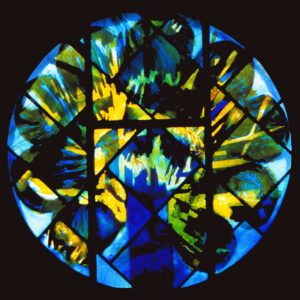
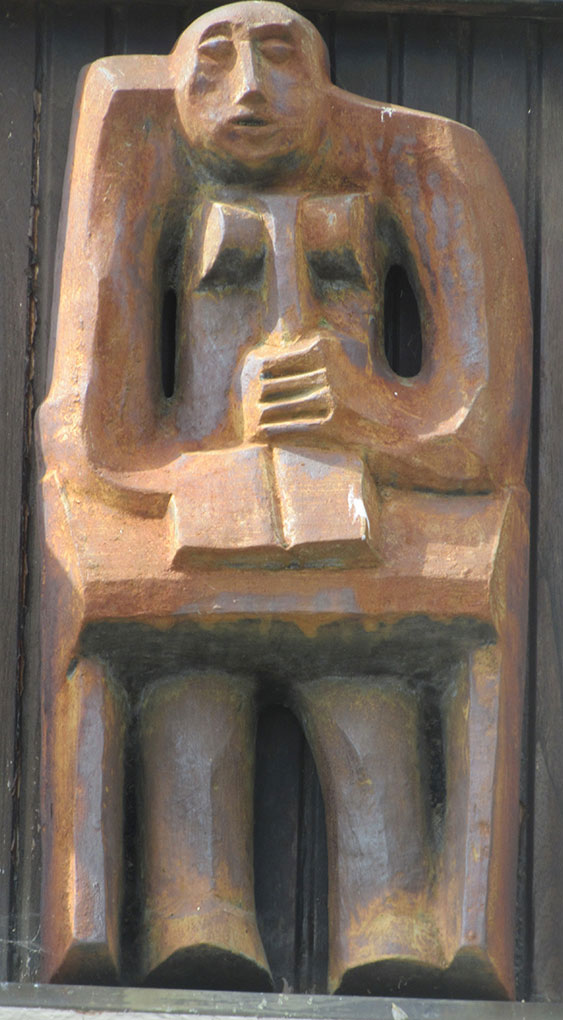
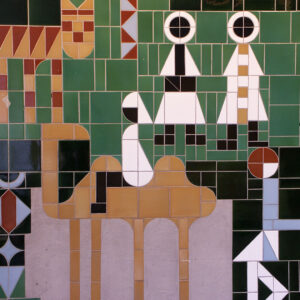
Sculpture, Ankarsrum Community Centre, 1956
Folke completed over 40 commissions for public and community buildings including schools, courts, office headquarters and factories where he was able to use his full powers of imagination, modern style and dramatic vision. His inventiveness in using so many different materials with such fluency and skill, make for the remarkable success of his work is still astonishing to see today.
In a grim mess room of a huge machine tool factory Folke made a joyful mural depicting the celebration of Midsummer’s Day. At a large school deep in the forests of Uppland, he portrayed a combination of farm animals, scenes of sports and play, with an imaginary lion and camel drifting by. In a little village school it was a small ceramic of boys wrestling playfully over the entrance to the front door.
For schools, every time it was something different and in varying materials – wood for the Nine Muses, steel for the gymnasts mounted on the outside wall of a sports hall, a collage on the alphabet for a 40 metre long corridor or moulded reliefs for a poem on “Earth Wind and Sea” on the wall of a large assembly room. At another, as a reminder of the famous nearby crane reserve, a motif of the birds was incorporated into a weaving for the assembly room. For a lakeside school, the presence of bitterns and fishermen were imagined in ceramic wall sculptures.
Fantasy and imagination, again and again, are his guiding principles, sailing boats on a weaving for a bank by Stockholm’s waterside, a mermaid for a marine insurance business, animals representing the foibles of human nature round a court entrance and a mighty Thor at a famous steelworks. For Carlsberg’s main brewery in Sweden, he chose the ancient Norse myth of Hunding and Hading carousing happily in flagons of ale, whereas the parsimony of a small rural savings bank was best exemplified by the ceaseless industry of ants.
All these works show Folke’s originality and most are still widely enjoyed to this day, demonstrating strongly the long term benefit of making art an integral part of the development of our villages, towns and cities, as the official policy was in those years.
Public commissions : Explore the work
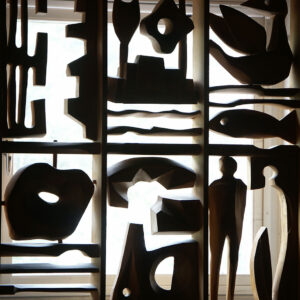
Community Centres
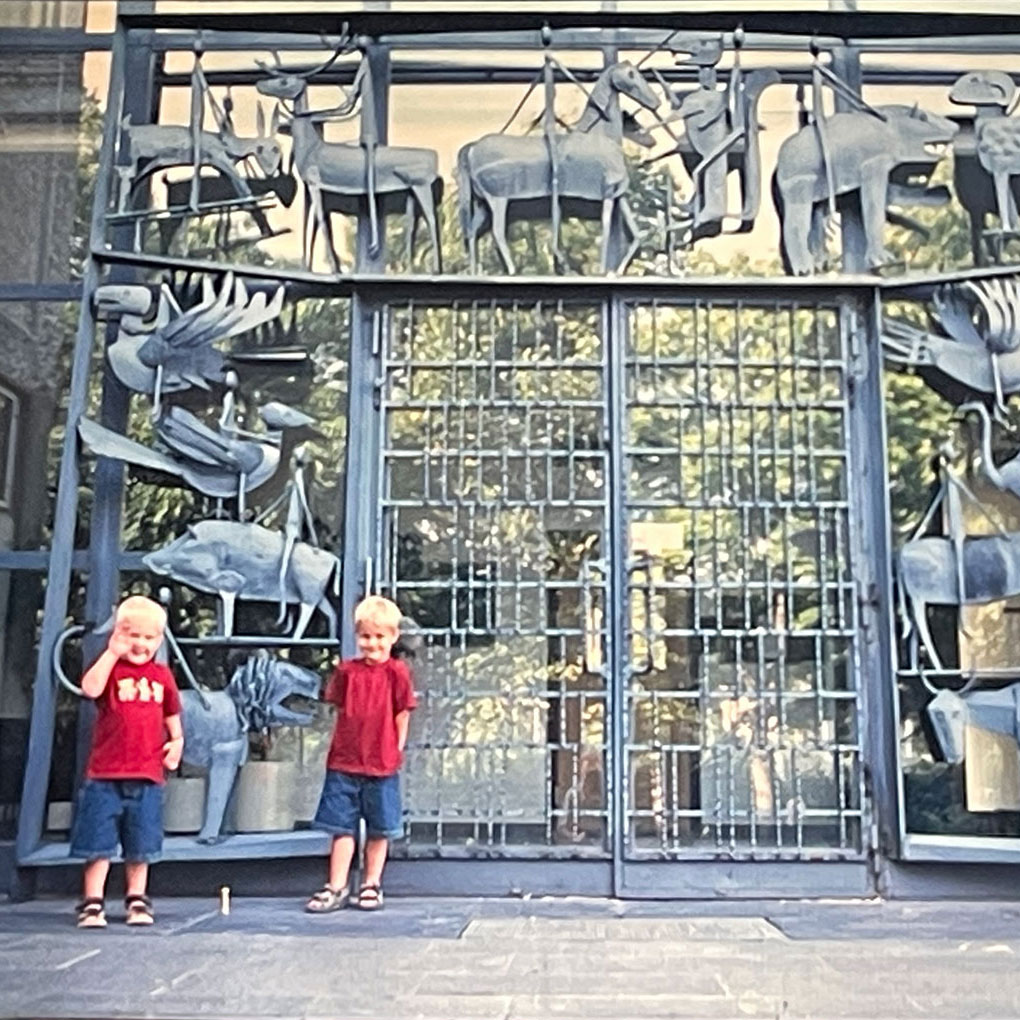
Court Houses
Schools